We read the official tattoo rules of 293 Japanese hot springs — the data (October 2026)
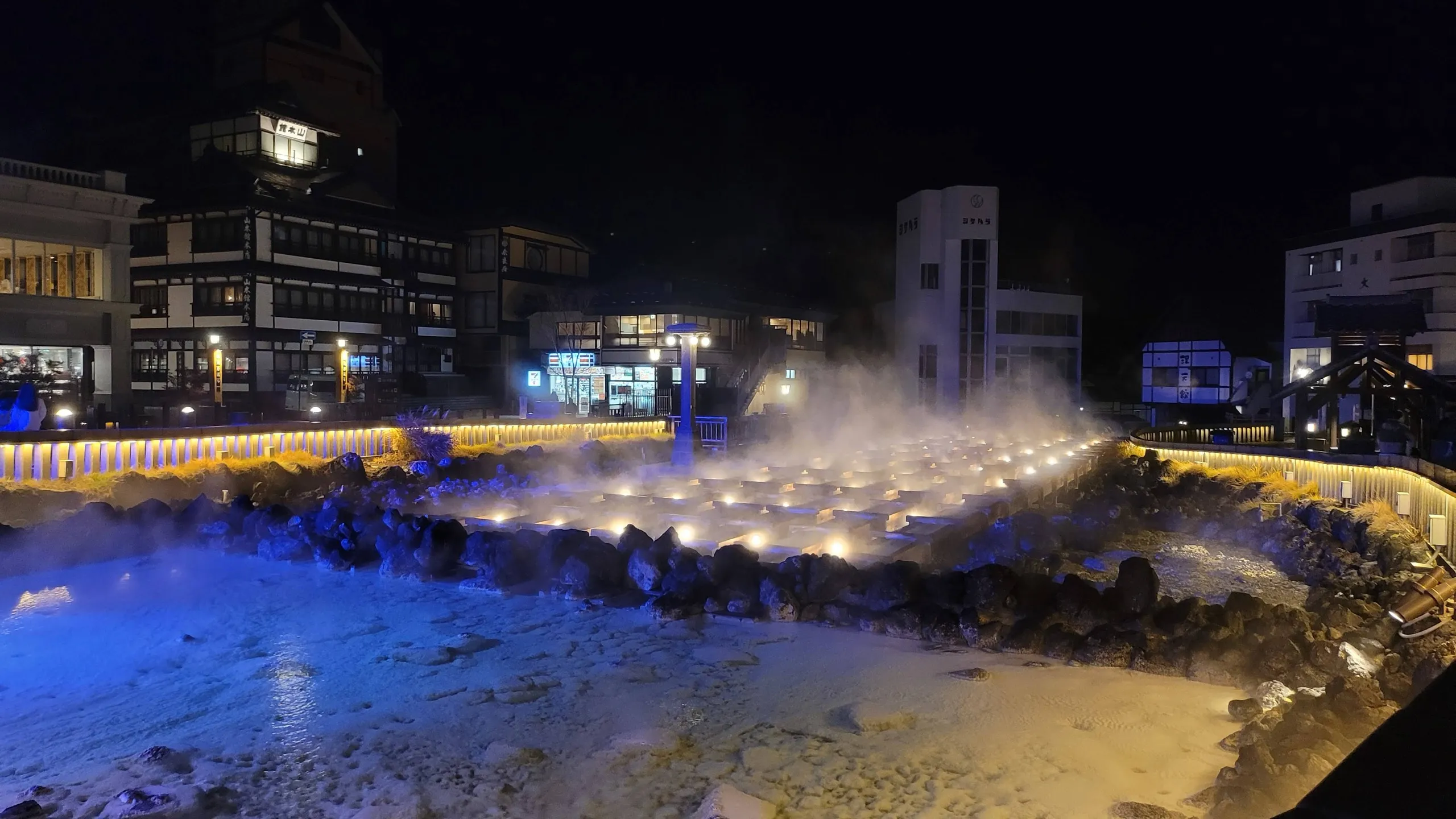
Photo: Aspere / CC0 / Wikimedia Commons
Only rules published by the bath, its city or its tourism association, across 31 prefectures. Where a city or tourism association answers, 108 of 109 baths let you in. Chain day spas refuse 88% of the time. How we counted, and the limits.
Last updated:
Do Japanese hot springs turn away people with tattoos? Almost no nationwide figures have been published since a 2015 Japan Tourism Agency survey (about 56% of bathing facilities said they refused).
Since September 2026, this site has recorded hot springs one by one, using only the rules published by the bath itself, its city or its official tourism association. As of 29 October we counted the 293 baths (in 31 prefectures) where such a rule could be confirmed.
Key points
- Of 293 baths with an official rule, 31% let you in and 48% refuse.
- Where the city or tourism association sets the policy (Beppu, Kinosaki, Kusatsu, Dogo and others), 108 of 109 baths let you in.
- Chain day spas refuse 88% of the time, and "allowed if covered" comes with limits on sticker size and number.
Overall
| Official rule | Baths | Share |
|---|---|---|
| Tattoos allowed | 90 | 31% |
| Private bath only | 33 | 11% |
| Allowed if covered (stickers etc.) | 17 | 6% |
| Allowed with conditions | 12 | 4% |
| Not allowed | 141 | 48% |
| Total | 293 |
These overall shares are not shares for all hot springs in Japan (see “How we counted, and the limits” below). What the data does show is that the answer depends heavily on who is answering.
- Allowed
- Private bath only
- Allowed if covered
- With conditions
- Not allowed
Ordered from "allowed" to "not allowed". Same figures as the tables (as of 29 October 2026).
Finding 1: where the city or tourism association answers, almost every bath lets you in
109 baths have a tattoo policy published by their city or tourism association — Beppu City, the Oita tourism association, the Kinosaki Onsen tourism association, Kusatsu, and Dogo Onsen (Matsuyama City).
| The 109 baths answered by a city or tourism association | Baths |
|---|---|
| Tattoos allowed | 74 |
| Private bath only | 33 |
| Allowed with conditions | 1 |
| Not allowed | 1 |
108 of the 109 let you in one way or another. Where a town has decided to welcome tattooed visitors, its individual baths follow.
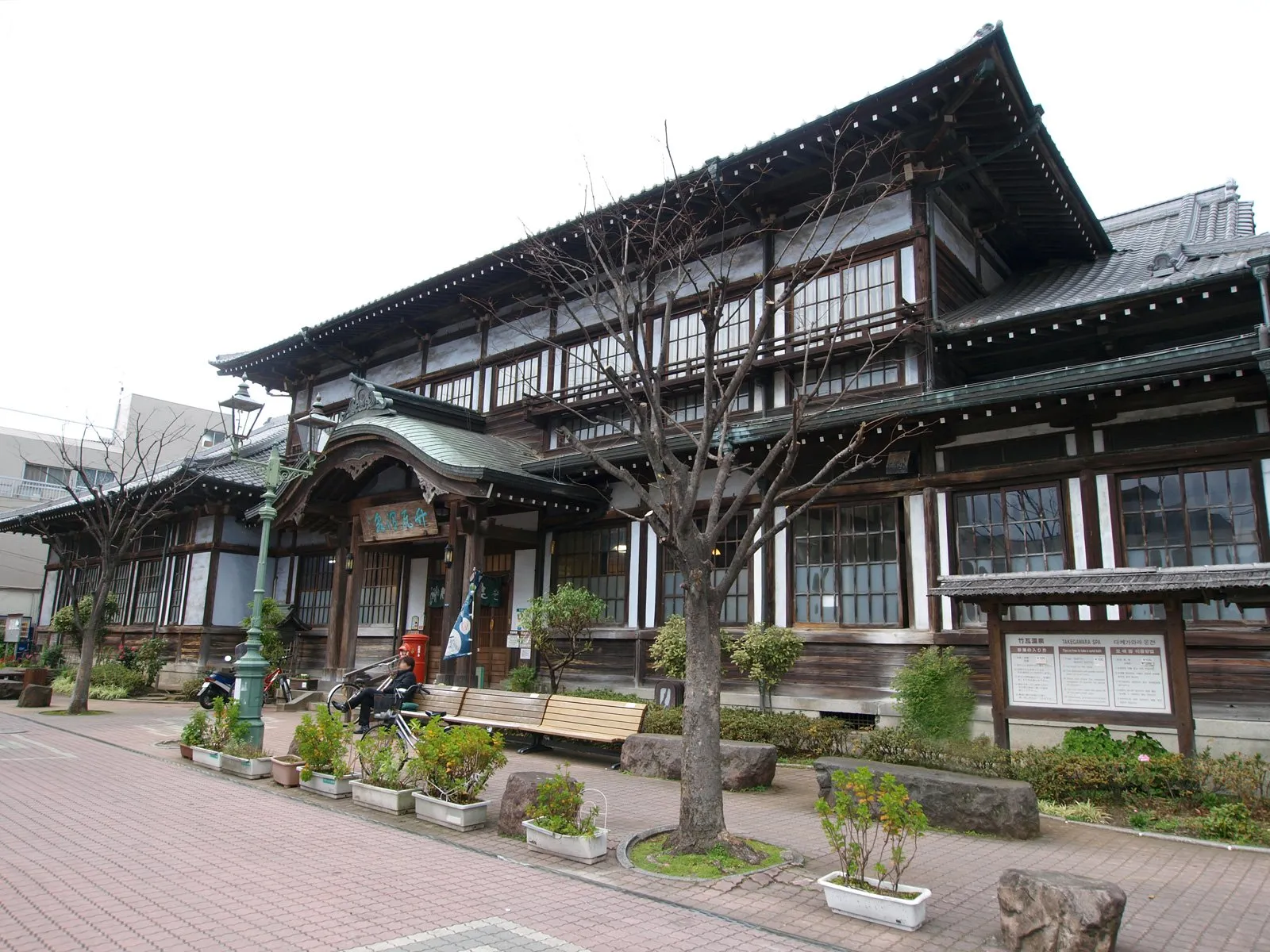 Takegawara Onsen, one of the public baths Beppu City lists as welcoming tattooed guests.Photo: 大分帰省中 / CC BY 3.0 / Wikimedia Commons
Finding 2: chain day spas refuse 88% of the time
Of the 184 baths that publish their own rule, 107 belong to chains — 21 companies that run several day spas each.
| Chain spas (107) | Single-site baths (77) | |
|---|---|---|
| Tattoos allowed | 3 (3%) | 13 (17%) |
| Allowed if covered | 4 (4%) | 13 (17%) |
| With conditions | 6 (6%) | 5 (6%) |
| Not allowed | 94 (88%) | 46 (60%) |
Chains usually apply one set of terms to every branch, and most of those terms refuse “tattoos, including tattoo stickers”. Single-site baths are far more likely to allow tattoos, or to allow them if covered.
Finding 3: “allowed if covered” comes with size and number limits
Most of the 17 “allowed if covered” baths require their own cover stickers, with limits on size and number:
- Two Tokyo baths: up to two stickers of 11 × 20 cm
- Ryusenji-no-Yu Nagoya Moriyama and Spa Metsa Otakanomori: up to two stickers of 9.5 × 14 cm
- Arima Kaido Onsen Suzuran no Yu: up to five stickers of about 10 × 10 cm
A full sleeve or a back piece will not fit. More in Tattoo cover stickers at Japanese onsen.
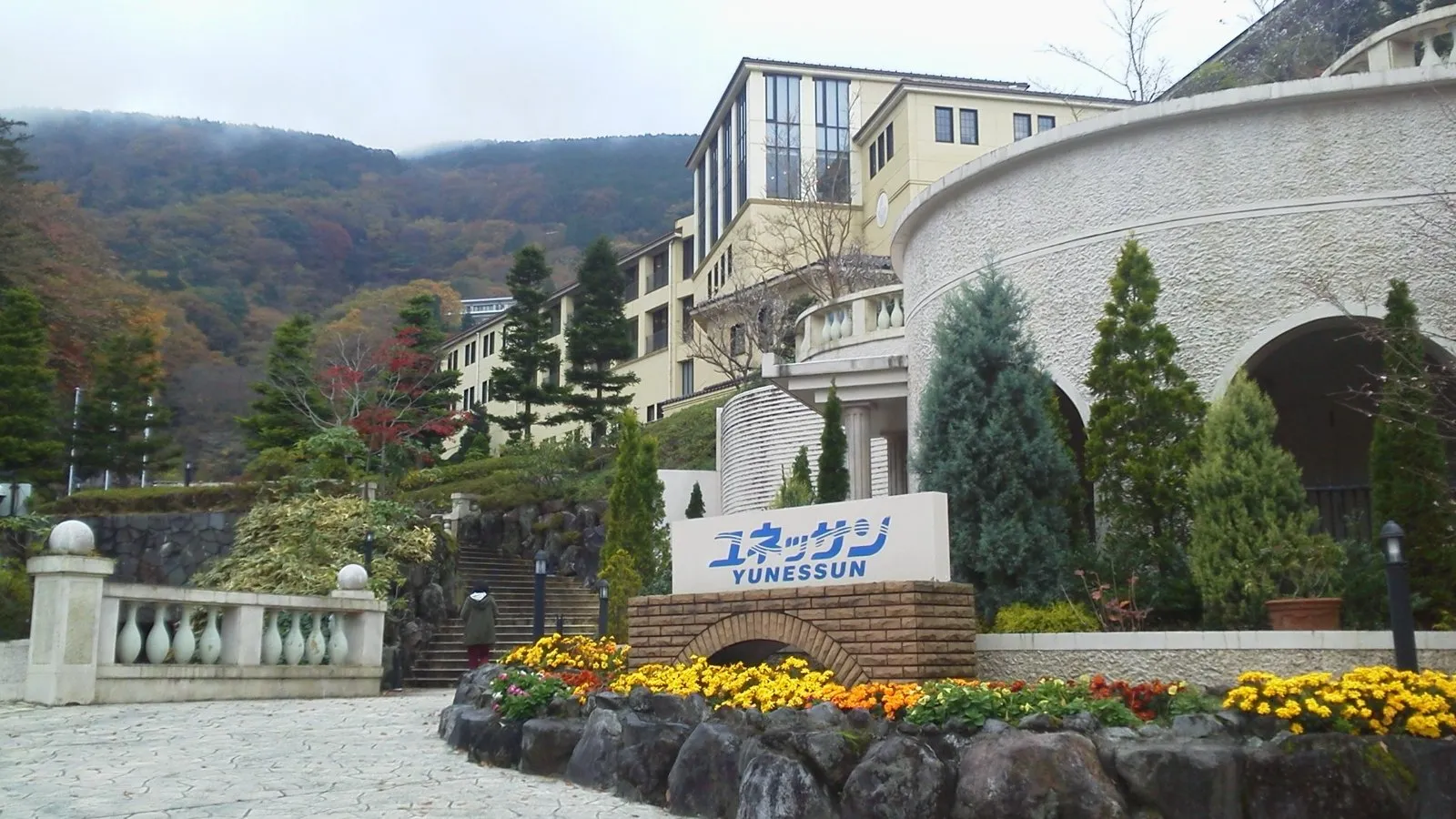 Mori no Yu at Hakone Kowakien Yunessun is also “allowed if covered”: two of the bath’s own paid stickers must cover the tattoo completely.Photo: Kounoichi / CC BY-SA 4.0 / Wikimedia Commons
How we counted, and the limits
- What we counted: only rules shown by the bath, its city or its tourism association — on an official website, an official notice, or a reply to our inquiry. Baths where only a third-party list says anything (3) and baths with no rule found (4) are not counted.
- When: checked between 12 September and 29 October 2026. Each bath’s page shows the date it was checked.
- This is not a random sample. We prioritised areas people search for, chains, and areas where a city or tourism association publishes a list (such as Beppu). Many Beppu baths push the “allowed” share up; many chain spas push the “not allowed” share up. Please do not quote these shares as shares for all hot springs in Japan.
- Rules change. Check the bath’s own page before you go.
Quoting this data
You are welcome to quote the figures on this page, with a link to this page (https://japanonsenguide.com/en/tattoo-onsen-data-2026/) as the source. Each bath’s rule and source are listed under Hot springs in Japan.
Read next
- Tattoos and hot springs in Japan — why some baths refuse, and what the law says
- Onsen where the bath itself says tattoos are OK
- Private onsen for tattoos